How does curing change the appearance of THCA flower?

What curing visually changes?
A freshly harvested thca plant and a properly cured version of the same cultivar look noticeably different. Those differences trace back to real chemical activity happening inside the plant material over the cure period, not surface-level cosmetic shifts. best thca flower reaching retail carries visible evidence of curing handled with attention, and those markers are readable before any certificate of analysis is consulted.
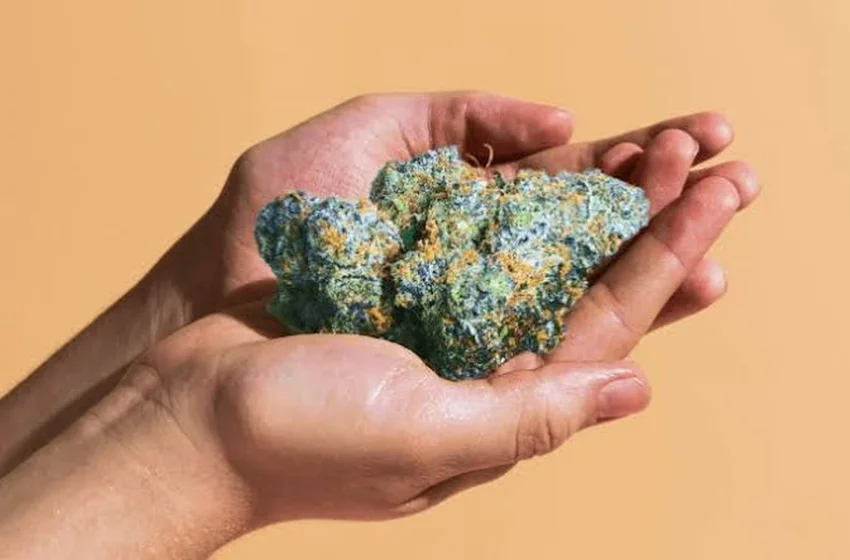
Bright green and high in moisture, fresh-cut material smells of raw grass without any complexity. Curing breaks down chlorophyll, distributes moisture through the internal structure, and deepens terpene character. Colour shifts from that wet, bright appearance toward something richer and more saturated. Surface resin sets rather than sitting tacky from water content. These are not random changes. Each one reflects a specific stage of the curing process, completing as intended.
How does colour shift during curing?
Chlorophyll breakdown drives most of what changes visually during a proper cure. Fresh material holds bright green throughout because intact chlorophyll dominates the surface. As that degrades under controlled conditions, what was always present underneath starts showing through.
- Cultivar pigmentation emerges
Purple, blue, and burgundy hues tied to specific genetics stay hidden under fresh chlorophyll. Once the breakdown progresses far enough, those anthocyanin pigments surface. A specimen from a purple-dominant cultivar cut fresh may show almost none of that colouration until curing lets the underlying genetics express.
- Green tone deepens
Even chlorophyll degradation across a specimen moves colour from bright yellow-green toward deeper, richer tones. Patchy colouration across a single bud points to uneven breakdown, which usually traces back to inconsistent humidity or airflow during the cure rather than anything that happened during cultivation.
- Browning signals problems
A tan patch, dullness, or browning where colour should remain vibrant indicates oxidation or heat exposure during curing. Natural pigment breakdown looks different from damage. One produces depth. The other produces flat, lifeless coloration that no amount of proper storage recovers.
How does surface texture change?
Fresh material compresses under light pressure without resistance. Water content drives that response, not resin. Properly cured specimens feel different on contact because moisture has left, and resin now accounts for surface character rather than water.
A cured specimen is sticky from resin density. Fresh tacky feel and cured resinous feel are different, even though both register as sticky to the touch. Non-sticky surface on cured materials reveals terpene loss during the process. Over-dried flower sheds trichome material on contact rather than holding it, and that loss happened before packaging sealed anything in.
Structural changes after curing
Stems that bent without snapping when freshly cut develop a clean break response once moisture has drawn down through a full cure. That stem snap is a physical confirmation that internal moisture reached an accepted level rather than stopping partway through the process.
Bract structure tightens as curing progresses and cell walls adjust to the redistribution of internal moisture. A specimen holding its form under handling without shedding or compressing flat came through the cure intact. Loose, crumbling material after curing went too far in the other direction. Both outcomes are visible and detectable through direct contact, giving buyers a practical way to assess whether post-harvest handling met the standard that separates average stock from the thca flower worth selecting.
