What Determines the Value of Old Appliances at Austin’s Recycling Centers
- Home improvement
Clare Louise
- 0
- 5 minutes read
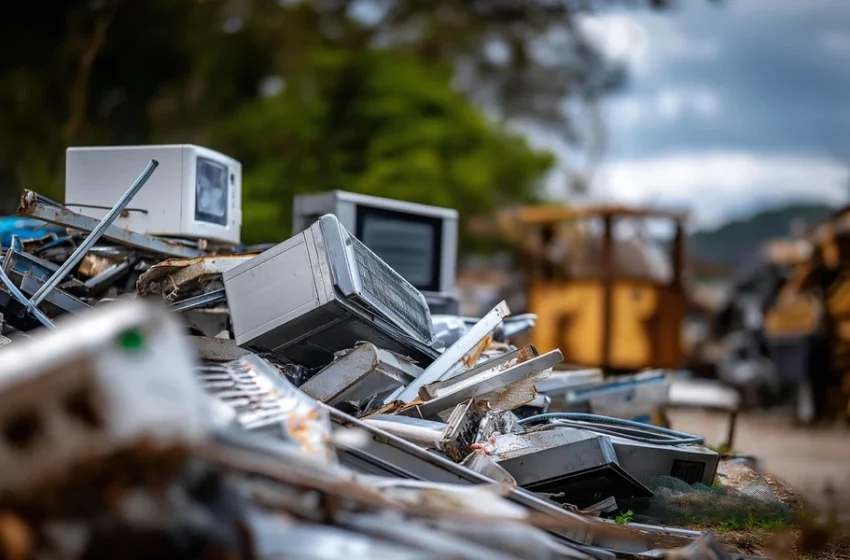
Old appliances take up space inside homes and create constant stress during daily household use. Broken refrigerators and dryers add trouble when rooms feel crowded, and storage areas lose basic order. Heavy units become difficult to move or manage, especially when disposal options remain unclear for residents. Metal waste inside unused machines also raises concerns about safety and responsible handling within residential spaces.
Trusted facilities like Austin appliance recycling offer a simple way to clear old equipment. Old machines receive proper handling that turns waste into useful metal for new production cycles again. Payment for discarded appliances also supports households while keeping harmful materials away from landfill areas. This article explains what affects the value and how recycling centers decide on fair returns for each unit.
Metal Content Sets The Core Value
Metal inside old machines defines the main value received at recycling centers in Austin. Copper wiring, steel frames, and aluminum parts increase in worth when measured at processing facilities. Higher metal concentration inside refrigerators or dryers leads to better return offers during evaluation at yard sites. Basically, the valuation depends on extraction potential, where clean separation of metals supports stronger material recovery results.
The Weight Influences Final Recycling Return
Weight measurement plays a major role in deciding appliance value at recycling centers around Austin. Heavy refrigerators and washers carry more recoverable material, which increases payout during evaluation at collection points. Even smaller machines gain value when compact metal density creates measurable scrap return. Technicians rely on weight scales to calculate fair offers that match the material recovery potential of each unit.
The Working Condition Does Not Limit Recycling Value
Non-working appliances still carry strong value in recycling systems across Austin’s recovery facilities. Internal motors, coils, and wiring remain useful even when machines stop performing household cooling or washing tasks. Broken appliances still enter processing lines where recoverable metals support new production of industrial components later. Recycling centers provide payment for damaged units, which turns discarded machines into practical material resources for reuse.
The Type Changes Value Levels Across Austin
Different appliances create different value ranges at Austin-based recycling facilities. Large ones, such as refrigerators, freezers, and ovens, deliver higher returns due to their larger metal structure. Ask the right questions to gain clear insight into the process and support transparent communication during every evaluation step. Here is what you should ask before submitting appliances for recycling evaluation:
- What appliance type brings the highest metal recovery value locally?
- Does appliance size influence payout at a recycling facility?
- Which appliances qualify for higher return rates?
- Are small appliances worth submitting for scrap evaluation value?
- How does internal component quality affect the overall pricing decision?
- Do refrigerators and ovens receive better valuation than others?
Easy Material Recovery Improves Pricing
Recycling centers in Austin assign better value when appliance parts allow quick separation and processing of metals. Machines with simple dismantling steps help workers extract copper, steel, and aluminum with reduced effort levels. Complex internal layouts may lower efficiency, which can slightly influence the final payment for certain categories. Streamlined recovery systems ensure material reuse supports industrial production demands within broader metal supply networks.
Scrap Metal Market Demand Shapes The Value
Market demand for scrap metal strongly affects pricing offered at recycling centers in Austin. Steel and copper price shifts influence how much payment customers receive for discarded household equipment units. High demand in manufacturing sectors increases the value of collected appliances entering recycling streams at regional facilities. Fluctuating material markets guide pricing decisions that reflect global supply needs and industrial reuse patterns.
Austin appliance recycling helps transform unused machines into useful resources while reducing environmental pressure from disposal sites. Each recycling center evaluates equipment carefully to ensure fair returns that reflect the real material worth inside units. Speak with recycling experts today for clear guidance and smarter appliance decisions that protect both space and value.
