What buyers should know about bulk THCA flower trim?
- THCA Flower
Tereso sobo
- 0
- 4 minutes read
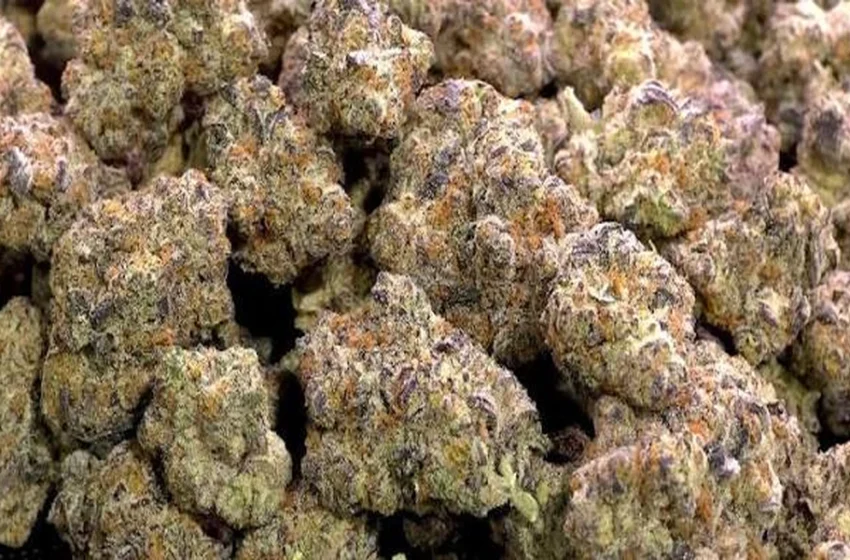
Trim quality in bulk THCA flower procurement carries direct consequences for usable yield, grade classification, and supplier assessment across every order cycle. Buyers who treat trim evaluation as secondary often encounter yield shortfalls and grade inconsistencies that affect downstream distribution. Sourcing the best thca flower at volume requires trim assessment to be treated as a primary procurement criterion alongside cannabinoid potency and moisture content, rather than an aesthetic consideration reviewed after purchase decisions are made.
Trim assessment criteria
Trim assessment criteria applied to bulk THCA flower procurement examine specific indicators that together determine whether a batch meets commercial-grade standards. Leaf-to-flower ratio measures the proportion of excess leaf material present relative to usable flower weight within the batch. Cut precision indicates whether trimming removed leaf material cleanly without damaging trichome coverage on bud surfaces. Stem presence within packaged units is recorded as a proportion of total batch weight, since excess stem material directly reduces the usable yield per pound calculation applied at purchase. Each criterion is assessed across multiple units drawn from different positions within the batch rather than evaluated from a single sample. Trim that meets standards in the sample set but varies across the full batch volume represents a supplier processing inconsistency that affects every subsequent order placed with that vendor. Consistency across the full volume confirms whether trim standards were applied uniformly throughout the batch or only to units selected for pre-purchase review.
Yield calculation effects
Yield calculation effects from trim quality determine the usable flower proportion buyers receive against the total batch weight purchased. Excess leaf material, stem weight, and inconsistent cut quality each reduce purchasable flower content within the total batch. When trim falls below commercial-grade thresholds, the effective per-pound cost increases beyond the quoted figure because the proportion of usable flower within the purchased weight is lower than the pricing assumed. Buyers calculate usable yield by subtracting leaf, stem, and non-flower material weight from total batch weight before comparing quoted pricing against actual flower content received. Batches with poor trim records from prior orders are assessed against yield calculations from those previous cycles rather than accepted at face value based on current sample presentation alone. Trim yield records are maintained as part of the vendor performance file and referenced at each new procurement stage to prevent repeated shortfalls from the same supplier across consecutive order cycles.
Supplier trim standards
Supplier trim standards define the processing criteria a vendor applies consistently across cultivation cycles. Buyers request written trim specifications from suppliers before committing to bulk orders, confirming whether hand trimming, machine trimming, or a combination of both methods is used across the batch volume. The trimming method directly affects cut precision, trichome surface condition, and grade classification outcomes across every batch assessed at the wholesale level.
Machine trimming at high throughput reduces cut precision and increases trichome loss compared to hand trimming, which affects both grade classification and physical presentation across the batch. Buyers who understand the trimming method applied to each batch assess cut precision and trichome condition with that processing context in mind, rather than applying uniform assessment criteria regardless of how the batch was processed. Suppliers who maintain documented trim standards across consecutive harvests and produce consistent yield calculations across multiple order cycles hold stronger positions in long-term procurement agreements than those whose trim quality varies without a documented explanation between batches.
