From Practice Room to Professional Portfolio: Skills Emerging Musicians Need
- Education
Paul Petersen
- 0
- 8 minutes read
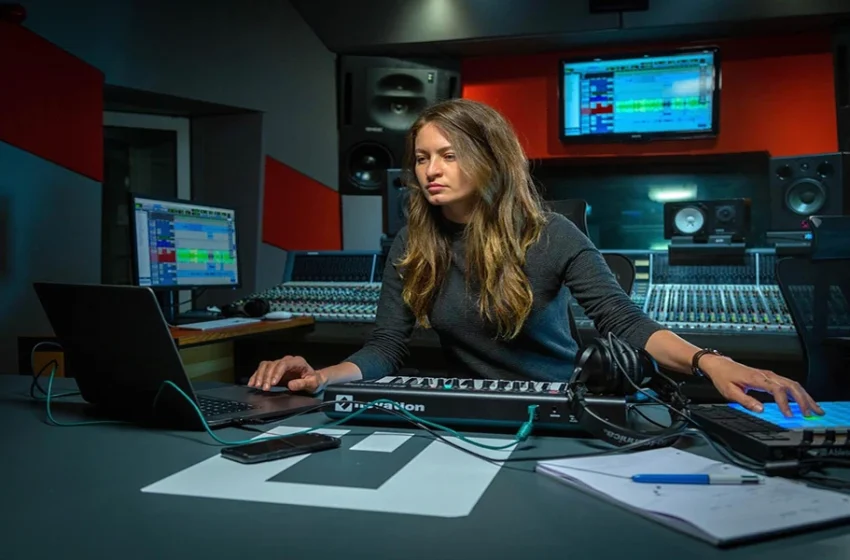
Musical talent is important, but developing a sustainable career in music requires more than playing an instrument or writing memorable songs. Emerging musicians also need practical experience, creative discipline, collaboration skills, and evidence of their abilities.
Whether someone hopes to become a performer, producer, songwriter, or recording professional, building a strong portfolio can help turn artistic potential into professional opportunities.
A music portfolio is more than a collection of recordings. It reflects an artist’s development, versatility, and ability to complete meaningful creative projects.
Understanding which skills matter and how to demonstrate them can make the transition from student or hobbyist to working musician more manageable.
Develop Technical Skills That Support Creative Expression
Every successful musical project begins with a foundation of technical ability. However, the specific skills required depend on an individual’s professional interests.
Instrumentalists may focus on timing, technique, sight-reading, improvisation, and stylistic versatility. Vocalists often work on breath control, pitch accuracy, interpretation, and vocal health.
Songwriters and producers need different combinations of skills, including composition, arrangement, recording techniques, and familiarity with digital audio workstations.
Rather than attempting to master everything simultaneously, musicians can identify the abilities most relevant to their preferred career paths.
A guitarist interested in studio sessions, for example, might prioritize reliable timing, clean recording techniques, and the ability to adapt to different musical genres.
Consistent practice becomes more productive when it supports specific creative and professional objectives.
Build a Portfolio That Demonstrates Real Musical Ability
A professional portfolio should demonstrate what a musician can contribute to a project, performance, or collaborative environment.
Recording dozens of unfinished ideas may show creativity, but a smaller collection of polished examples usually communicates abilities more clearly.
Depending on the musician’s specialization, a portfolio might contain:
- Professionally presented audio recordings or original compositions.
- Live performance videos demonstrating stage presence and technical control.
- Collaborative projects showing adaptability across musical styles.
- Production samples featuring recording, editing, mixing, or arrangement work.
- A brief biography explaining artistic interests, experience, and professional goals.
Each example should serve a purpose.
A producer might showcase several contrasting tracks to demonstrate versatility, while a performer might include both solo work and ensemble recordings.
Presentation also matters. Clearly labeled files, accessible listening links, and concise project descriptions make it easier for collaborators and potential clients to evaluate the work.
Most importantly, musicians should update their portfolios as their skills improve rather than treating them as permanent collections.
Understand When Structured Music Education Can Help
Independent learning offers musicians flexibility and opportunities to develop at their own pace. Tutorials, practice routines, online communities, and personal projects can all contribute to meaningful progress.
However, some musicians benefit from a more structured learning environment, particularly when they need regular feedback, technical instruction, or opportunities to collaborate with others.
For example, students researching a California music college can examine how performance training, music production, recording studies, and industry-focused education are organized within a contemporary music curriculum.
The purpose of researching an educational institution should not simply be to find a recognizable qualification. Students should consider whether the learning experience addresses gaps in their existing abilities.
Useful questions include whether a program provides hands-on projects, access to appropriate equipment, opportunities for individual feedback, and experience working with musicians from different disciplines.
Cost, scheduling, location, and personal career objectives also deserve careful consideration.
Formal education is one possible pathway, not a requirement for every successful musician. The strongest choice is the one that supports meaningful skill development and realistic professional goals.
Strengthen Collaboration and Communication Skills
Music rarely develops in complete isolation. Even solo artists often work with producers, engineers, session players, videographers, or other creative professionals.
Effective collaboration requires more than musical ability.
Musicians need to communicate their ideas clearly, understand creative feedback, respect project deadlines, and respond constructively when artistic opinions differ.
A songwriter working with a producer, for instance, should be able to explain the intended mood and structure of a composition without expecting the producer to interpret every creative decision independently.
Similarly, session musicians benefit from understanding arrangements, preparing before recording sessions, and adapting efficiently to requested changes.
Developing these habits early can make creative partnerships more productive.
Collaborative projects also provide valuable portfolio material. When appropriate, musicians can document their contributions and acknowledge everyone involved.
Over time, these experiences help demonstrate not only technical competence but also reliability and professionalism.
Treat Recording and Digital Presentation as Essential Skills
Modern musicians often need to present their work digitally before receiving an opportunity to perform or collaborate in person.
A clear recording can communicate musical ability more effectively than an elaborate production that hides the underlying performance.
For musicians working independently, understanding basic microphone placement, signal levels, editing, and file preparation can significantly improve the presentation of their work.
It is also useful to develop simple organizational habits.
Maintaining consistent file names, backing up recordings, documenting project versions, and keeping track of collaborators can prevent confusion during production.
Musicians do not need an expensive personal studio to begin building these skills. A modest recording setup, combined with careful listening and thoughtful practice, can support meaningful creative progress.
The objective is to produce work that communicates an artistic identity clearly and accurately.
Create a Practical Development Plan
Progress becomes easier to evaluate when musicians establish measurable goals.
Rather than setting a vague objective such as becoming a better performer, an emerging artist might aim to record three finished songs, complete a collaborative project, or prepare a short live performance set.
A practical development plan can combine regular technical practice with creative output.
Musicians might dedicate part of each week to improving specific abilities, another portion to completing projects, and additional time to reviewing feedback.
Monthly portfolio reviews can reveal missing skills or areas where existing work needs improvement.
This approach also encourages musicians to finish projects rather than continually starting new ones.
Completed work provides a clearer record of progress and creates material that can be shared when relevant opportunities arise.
Conclusion
Building a professional music portfolio is a gradual process that combines technical development, creative exploration, practical experience, and effective communication.
For emerging musicians, the objective should not be to collect as many recordings, credentials, or collaborations as possible. It should be to develop a focused body of work that demonstrates genuine ability and professional growth.
Whether learning independently, working with mentors, or pursuing structured education, musicians benefit most when they connect their training to tangible creative outcomes.
A thoughtful portfolio, supported by consistent improvement and meaningful collaboration, can provide a useful foundation for navigating future opportunities in the music industry.
