4 Factors That Determine Aircon Gas Top Up Prices in Singapore

Key Highlights
- The type of refrigerant used is the primary driver of the total service cost.
- The amount of gas required to reach optimal pressure influences the final bill.
- System capacity and the complexity of the unit can impact labour charges.
- The presence of leaks requires additional diagnostic work before topping up.
Introduction
Navigating the costs of home maintenance can often be confusing, especially when prices for the same service seem to fluctuate between different providers. For many residents, understanding the aircon gas top-up price in Singapore is a priority when their cooling units begin to falter. It is not uncommon to receive quotes that vary significantly, leaving homeowners wondering what constitutes a fair deal. Several variables contribute to the final invoice, ranging from the technical specifications of the air conditioner to the current market value of chemical refrigerants. By choosing a reputable aircon company in Singapore, you gain access to transparent pricing structures that reflect the actual work and materials involved. Knowledge of these factors allows you to budget effectively and avoid surprises when the technician arrives at your doorstep.
1. The Type of Refrigerant Used
The chemical composition of the gas in your air conditioner plays a massive role in determining the cost. Older units typically use R22 gas, which is being phased out globally due to its environmental impact. Because of its scarcity, the price for R22 remains high. Most modern residential units in Singapore now use R410A or the even more efficient R32. While R32 is generally more affordable and better for the environment, the equipment needed to handle it is specialised. When you inquire about the air conditioner gas top-up price, the first question a technician will ask is what model or gas type your system requires. Ensuring you use the correct gas is vital for the safety and longevity of your compressor.
2. Volume of Gas Required
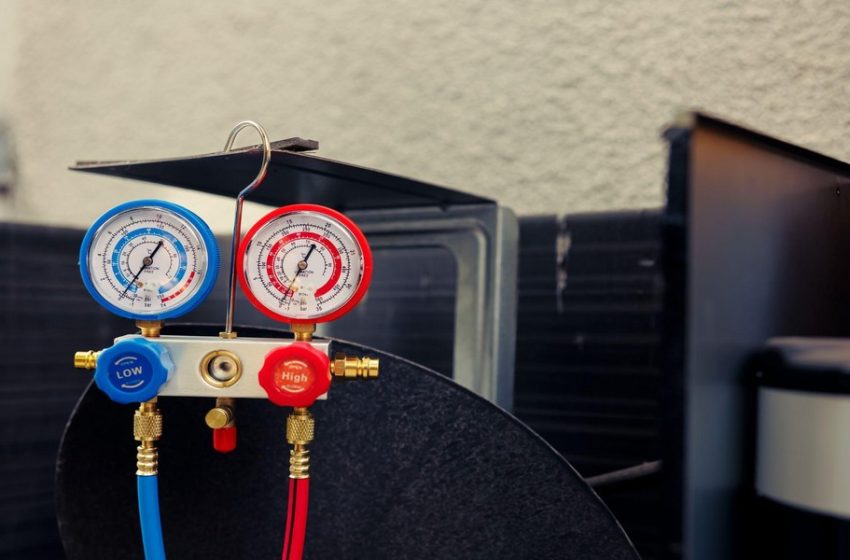
Prices for gas top-ups are rarely a one-size-fits-all flat fee. Instead, the cost is often calculated based on the “psi” or pressure units needed to bring the system back to its optimal operating level. A unit that is only slightly low on gas will naturally cost less to service than a system that is completely empty. If a system is entirely devoid of refrigerant, it usually indicates a major leak that must be addressed before any gas is added. In such cases, the volume of gas required is substantial, and the technician must also spend time purging the lines of air and moisture. Understanding that you are paying for the quantity of the material helps clarify why some jobs are more expensive than others.
3. Unit Capacity and System Type
The size of your air conditioning system, measured in British Thermal Units (BTU), dictates how much refrigerant the entire loop can hold. A small 9,000 BTU unit in a bedroom has a much smaller capacity than a large 24,000 BTU unit in a living room or a multi-split system that powers several rooms from a single outdoor condenser. Consequently, larger systems require more gas to maintain the correct pressure across longer lengths of copper piping. When an aircon company in Singapore provides a quote, they take into account the scale of the system. Multi-split and VRV systems often involve more complex charging procedures, which can be reflected in the total labour and material costs.
4. Labour and Diagnostic Fees
Beyond the cost of the gas itself, the expertise of the technician and the tools required for the job are factored into the price. A professional top-up involves more than just pumping gas into a valve; it requires measuring temperatures, checking for leaks, and ensuring the compressor is running at the correct amperage. Some companies bundle the diagnostic fee with the gas price, while others list them separately. If a leak is detected, the price will likely increase to cover the repair of the copper pipes or joints. Choosing a company that offers a clear breakdown of labour versus material costs ensures you are not being overcharged for simple tasks.
Conclusion
Understanding the various components that make up the aircon gas top-up price in Singapore empowers you to choose the right service provider for your needs. From the specific type of gas used to the physical size of your cooling system, each element influences the final cost. While it may be tempting to go for the lowest possible quote, it is essential to ensure that the quality of the refrigerant and the skill of the technician are not being compromised. A well-performed top-up can extend the life of your air conditioner and keep your home cool and comfortable. By partnering with a transparent aircon company in Singapore, you can enjoy peace of mind knowing that your system is in expert hands.
Contact Airple today to schedule your aircon inspection.
