Why do healthcare providers offer telehealth consultations?
- Health
Paul Petersen
- 0
- 4 minutes read

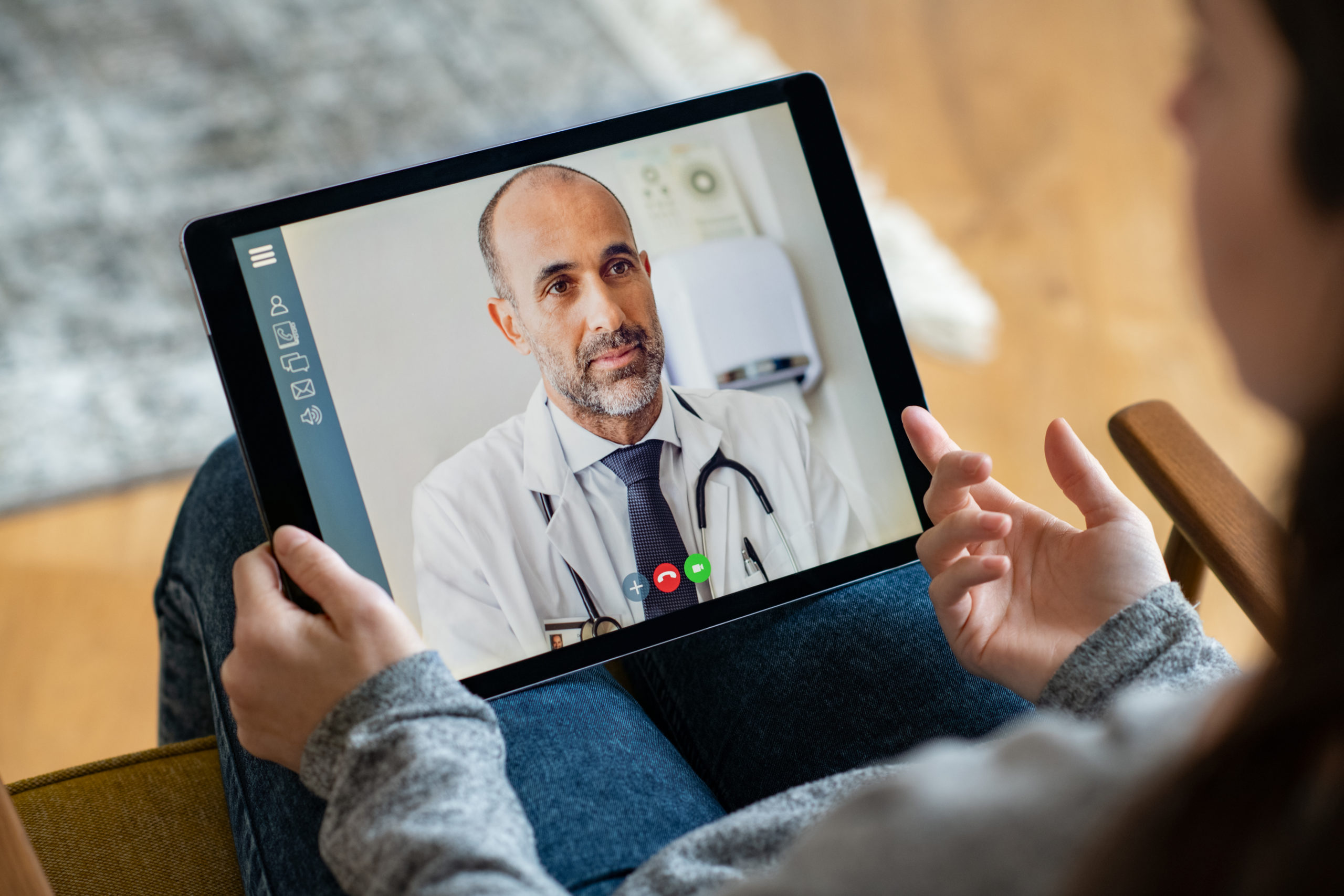
Healthcare providers have embraced telehealth services as a strategic response to evolving patient needs and technological capabilities. Virtual care delivery allows medical professionals to expand their reach beyond traditional clinic boundaries while maintaining quality healthcare standards. This transformation addresses geographical barriers, reduces operational costs, and provides flexible scheduling options. Adopting digital health platforms has become essential for sustainability and patient satisfaction in modern medical practice. NextClinic supports individuals who have difficulty reaching physical clinics due to mobility issues. Virtual appointments allow doctors to maintain continuous patient relationships while optimizing their practice efficiency. This service model has proven particularly valuable during health crises when physical distancing became necessary.
Patient accessibility improvement
Remote healthcare delivery removes traditional barriers that prevent patients from receiving timely medical attention. telehealth consultation accommodates patients across different time zones and geographical locations, expanding provider reach beyond local demographics. This accessibility improvement directly translates to better health outcomes and earlier intervention in medical conditions. Key accessibility improvements include:
- Rural communities can access specialized care without long-distance travel
- Elderly patients with mobility limitations receive care from home comfort
- Working professionals schedule appointments around busy work schedules
- Patients with chronic conditions get frequent monitoring without clinic visits
- Emergency consultations become available during off-hours
Healthcare providers serve patients during non-traditional hours, including evenings and weekends, when physical clinics might be closed. This flexibility particularly benefits working parents, shift workers, and patients requiring immediate medical guidance. Virtual consultations also eliminate transportation costs and time away from work, making healthcare more economically accessible for diverse patient populations.
Technology integration benefits
Modern telehealth platforms incorporate advanced features such as secure messaging, prescription management, and diagnostic tool integration. These technological capabilities enhance diagnostic accuracy and treatment planning during virtual consultations. Providers can instantly share medical images, laboratory results, and treatment plans with patients, improving communication and care coordination. Technology integration advantages include:
- Electronic prescription systems send medications directly to patient pharmacies
- Digital health monitoring tools enable continuous patient tracking
- Secure video conferencing ensures HIPAA-compliant consultations
- Cloud-based medical records provide instant access to patient history
- Mobile applications allow patients to schedule and manage appointments
- Automated reminder systems reduce missed appointments and improve compliance
Electronic prescription systems integrated with telehealth platforms allow doctors to send medications directly to patient-preferred pharmacies. This seamless integration reduces medication errors and ensures patients receive treatments promptly. Digital health monitoring tools can also be incorporated into virtual care plans, enabling continuous patient health tracking between scheduled appointments.
Workforce flexibility enhancement
Telehealth services provide healthcare professionals with improved work-life balance and scheduling flexibility. Doctors can conduct consultations from various locations, reducing commute times and allowing for more efficient time management. This flexibility helps healthcare providers avoid burnout while maintaining high-quality patient care standards. Remote work capabilities also enable healthcare practices to recruit talent from broader geographical areas, accessing specialists who might not be locally available. This expanded workforce access improves patient care quality and allows practices to offer more comprehensive services without physical expansion limitations.
Healthcare providers offering telehealth services must meet regulatory requirements, including patient privacy protection and licensing compliance. Digital platforms provide built-in security features and documentation tools that help providers maintain regulatory compliance while delivering virtual care. These systems protect patient data and maintain audit trails for quality assurance.
